01Can the VIN Help You Find a Window Sticker or Build Sheet?
In many cases, the VIN can be an important starting point when trying to find a vehicle’s original window sticker or build sheet. Because the VIN identifies one exact vehicle, it helps connect the car to factory-related details, paperwork, and records that may support a search for original equipment and build information.
That does not always mean the VIN alone will instantly pull up the original window sticker or build sheet in every case. Instead, the VIN usually works best as the key reference point that helps you verify the vehicle and search more accurately through available records and supporting documentation.
02What a Window Sticker or Build Sheet Usually Shows
A window sticker or build sheet can provide useful details about how the vehicle was originally equipped. Depending on the document, this may include the trim, engine, transmission, factory options, packages, colors, and other original build information. For owners and enthusiasts, these records can be especially helpful when confirming originality or understanding how the vehicle left the factory.
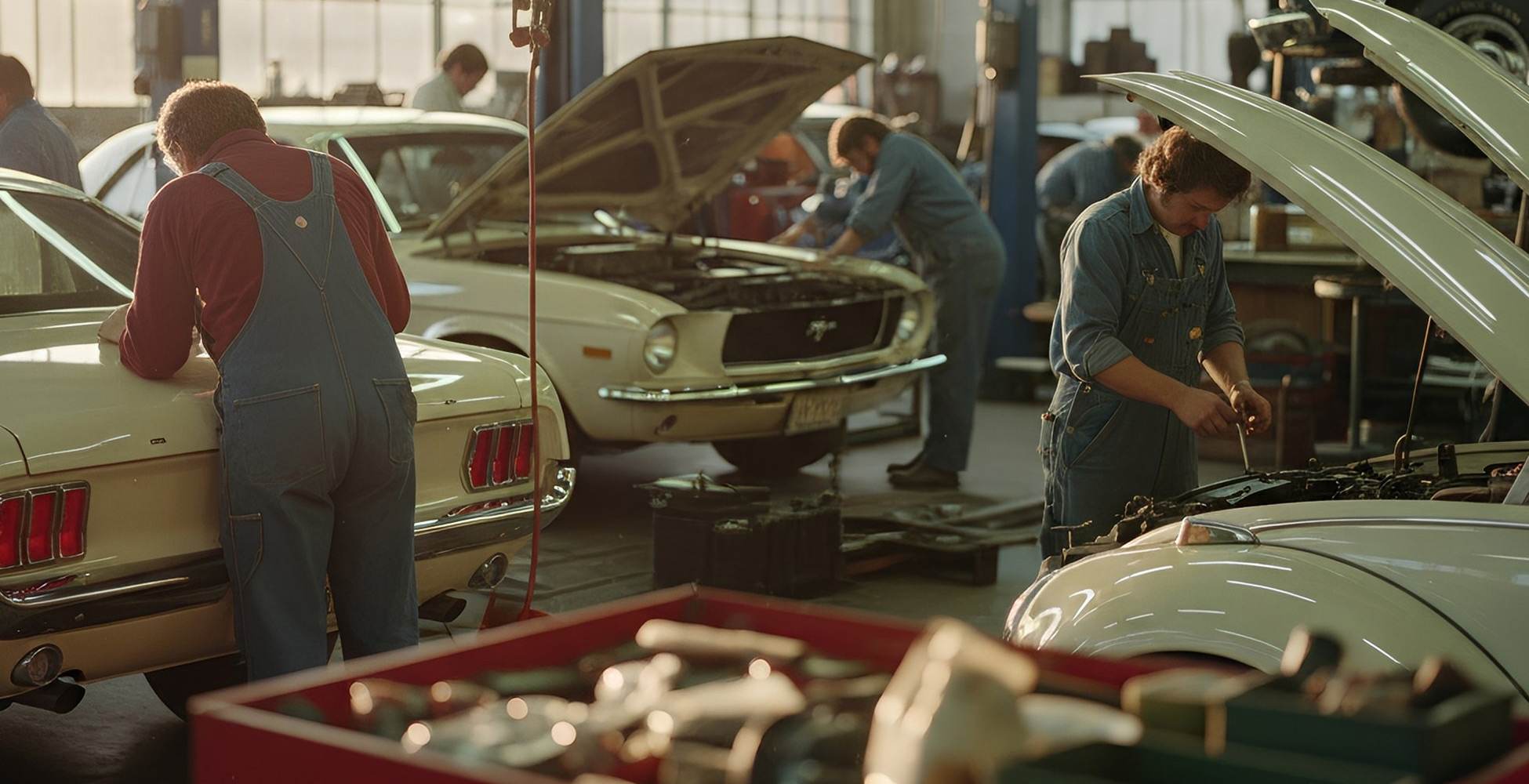
This is one reason the VIN matters so much in this kind of search. Before you compare a build sheet or sticker to the actual car, it helps to confirm the vehicle’s identity using the VIN and make sure you are researching the correct vehicle from the start.
03Why the VIN Is a Good Starting Point
The VIN helps because it identifies one exact vehicle rather than just a general year, make, and model. That can make it easier to compare factory-related details, saved paperwork, old listings, and any records tied to the vehicle. If you are looking for a window sticker or build-related information, the VIN gives you the reference point that helps keep the search focused.
It is often a smart idea to start by decoding the VIN first. A VIN decoder can help confirm the vehicle’s basic factory identity before you move into deeper document research. That makes later comparisons more accurate and easier to manage.
04Why Results Can Vary by Vehicle and Record Availability
Not every vehicle will have the same level of record availability. In some cases, window sticker or build sheet information may be easier to track down for newer vehicles or for vehicles with stronger documentation trails. In other cases, especially with older or less-documented vehicles, the VIN may only help you confirm the vehicle basics while the original sticker or build sheet remains harder to locate.
That does not make the VIN any less useful. It simply means the VIN is often the foundation of the search, while the final result depends on what supporting records, paperwork, or reference sources are still available.
05What To Compare Alongside the VIN
If you are trying to verify original build information, it helps to compare the VIN with as many supporting details as possible. This may include title documents, registration paperwork, service records, original sales paperwork, saved photos, option labels, tags, or other documents tied to the vehicle. These supporting details can help fill in gaps and confirm whether a sticker or build-related record makes sense for the vehicle.
For some owners, this is especially useful when trying to confirm factory options, original drivetrain details, or the authenticity of a vehicle being restored or researched. The VIN helps keep those comparisons tied to the correct vehicle.
06Why This Matters for Owners and Enthusiasts
Window stickers and build sheets can be valuable because they help tell the vehicle’s original story. They can support restoration work, ownership records, option verification, and a clearer understanding of how the vehicle was equipped when it left the factory. For some people, that information is useful for research and organization. For others, it is part of preserving the history of the vehicle.
For FormerCars users, the VIN is what helps organize all of this more clearly. It gives you a practical way to connect the vehicle to the paperwork, records, and details that matter most over time.
Start With the VIN and Build From There
Use FormerCars to decode the VIN, confirm vehicle details, and keep your records organized while researching original build information.